
Portraiture & Representation
Photography’s unique act of looking allows artists to observe the world around them while also turning the lens inward, offering a more expansive examination of how society sees itself and how it is seen. This selection of episodes from the PhotoWork archive explores the varied ways artists approach portraiture to examine identity, gender, community, and belonging, while questioning the conventions of photographic representation, challenging stereotypes, and seeking to give subjects greater agency in how they are seen.
View Playlist
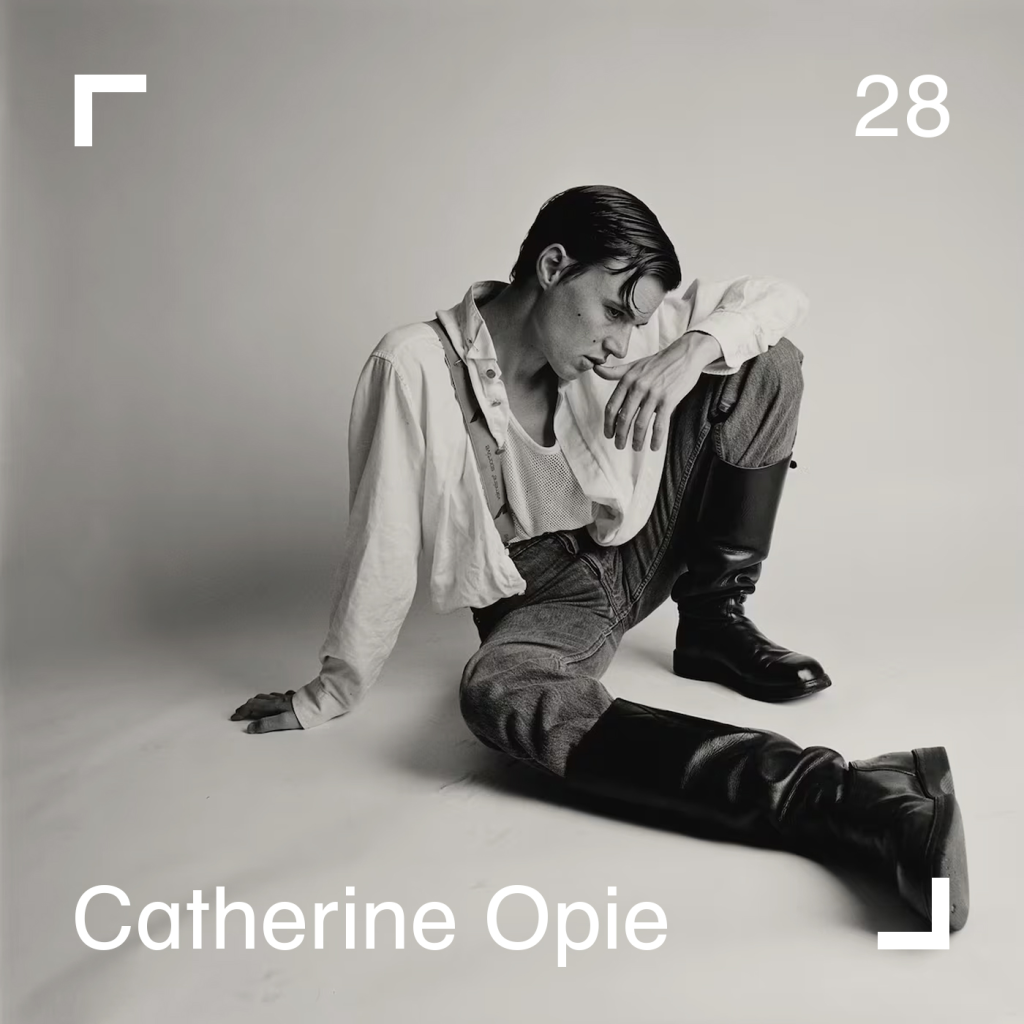
Photographer Catherine Opie discusses her comprehensive, survey monograph published by Phaidon, the pivotal role a family friend played in Cathy’s artistic trajectory, the impact her iconic picture Pervert had on her life and the reactions from those who first saw the work at the 1995 Whitney Biennial.
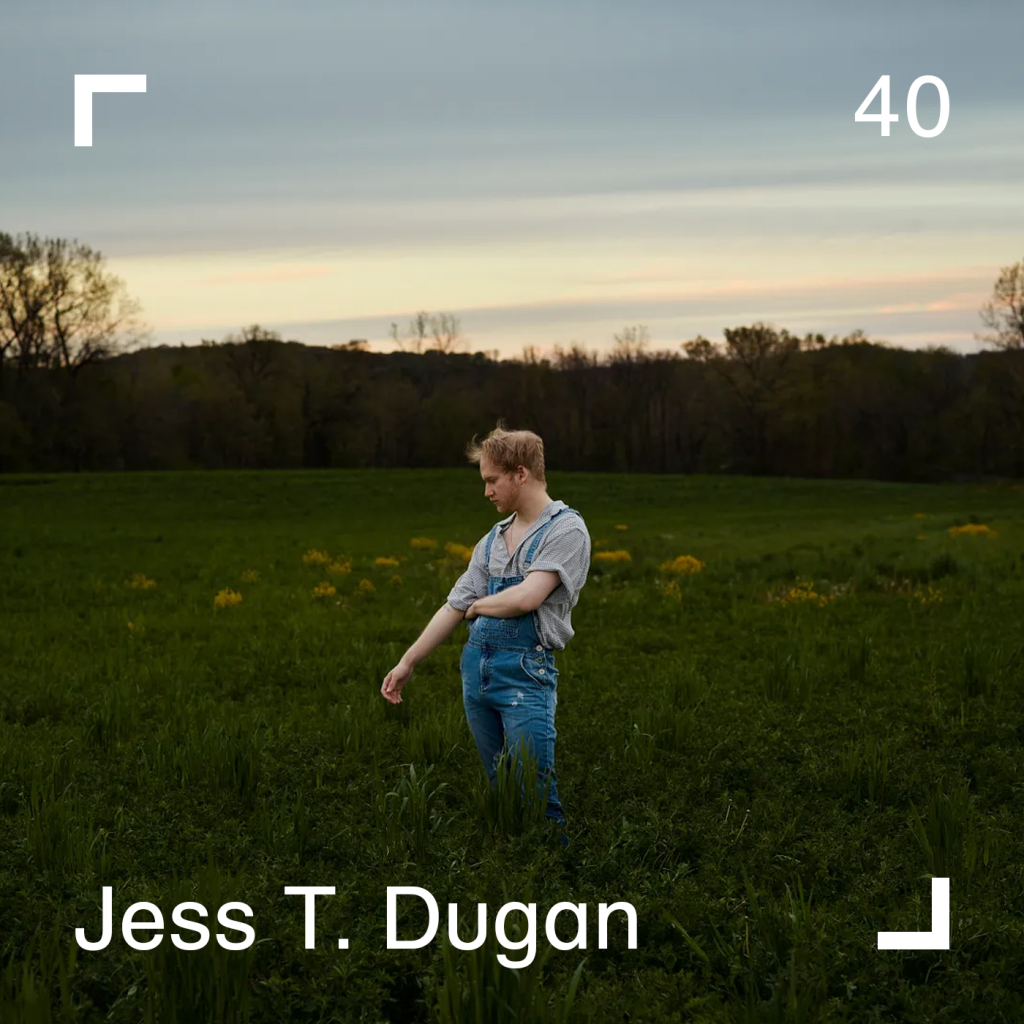
Photographer, Jess T. Dugan discusses their book, Look at me like you love me, published by MACK. Jess speaks in very personal terms about the process of bringing this book together and living more authentically as an artist and a person.
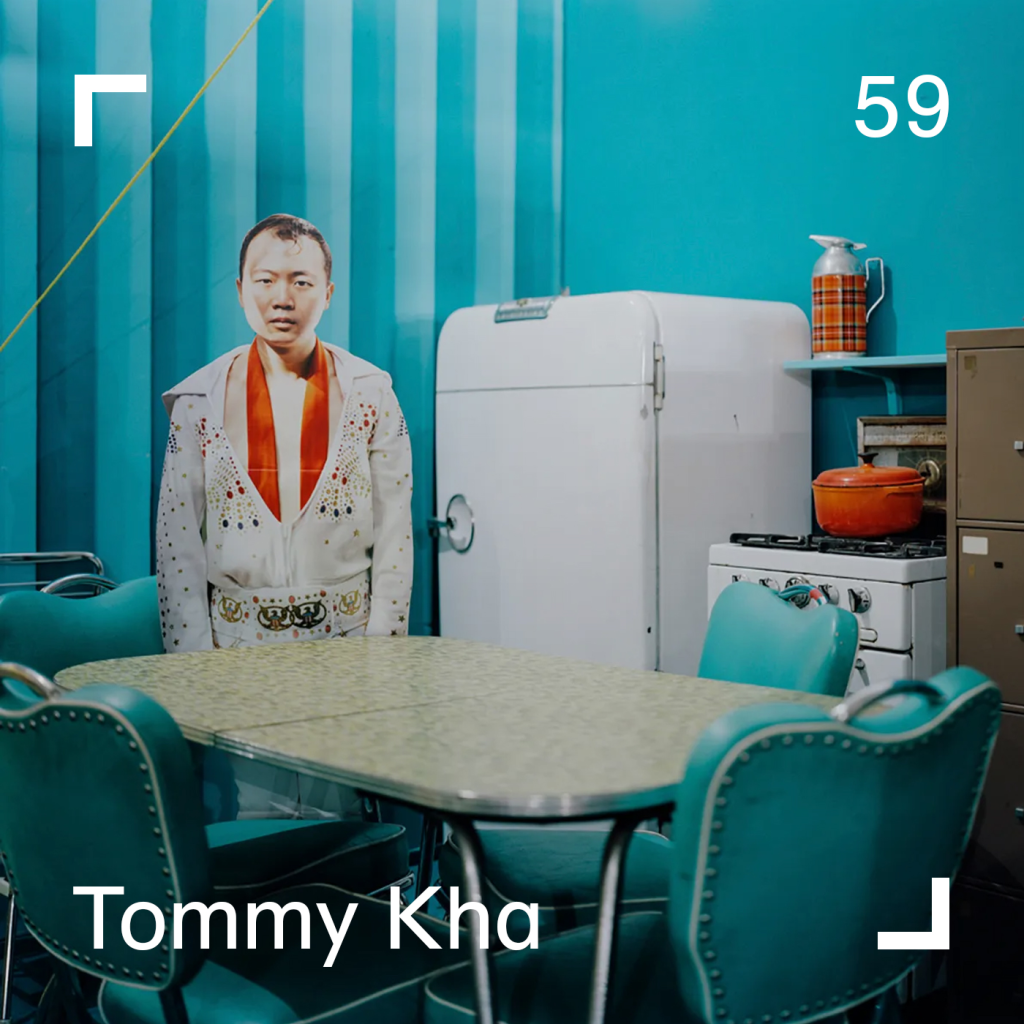
Photographer Tommy Kha discusses his book, Half, Full, Quarter published by Aperture. Tommy shares his thoughts about how photography is a language and a way to get to know people. Tommy talks about his life and work in Memphis and the obstacles he had to overcome to figure out his place as an artist there.
Carla Williams speaks about her publication, Tender, a book of 80 self portraits made between 1984-1991, and Carolyn Drake talks about her publication, Men Untitled, a book of 54 portraits, mostly of men, both published by TBW Books. Sasha, Carla, and Carolyn discuss how the books approach portraiture through personal exploration while also referencing, recontextualizing and questioning their many influences from the canon of famous works.

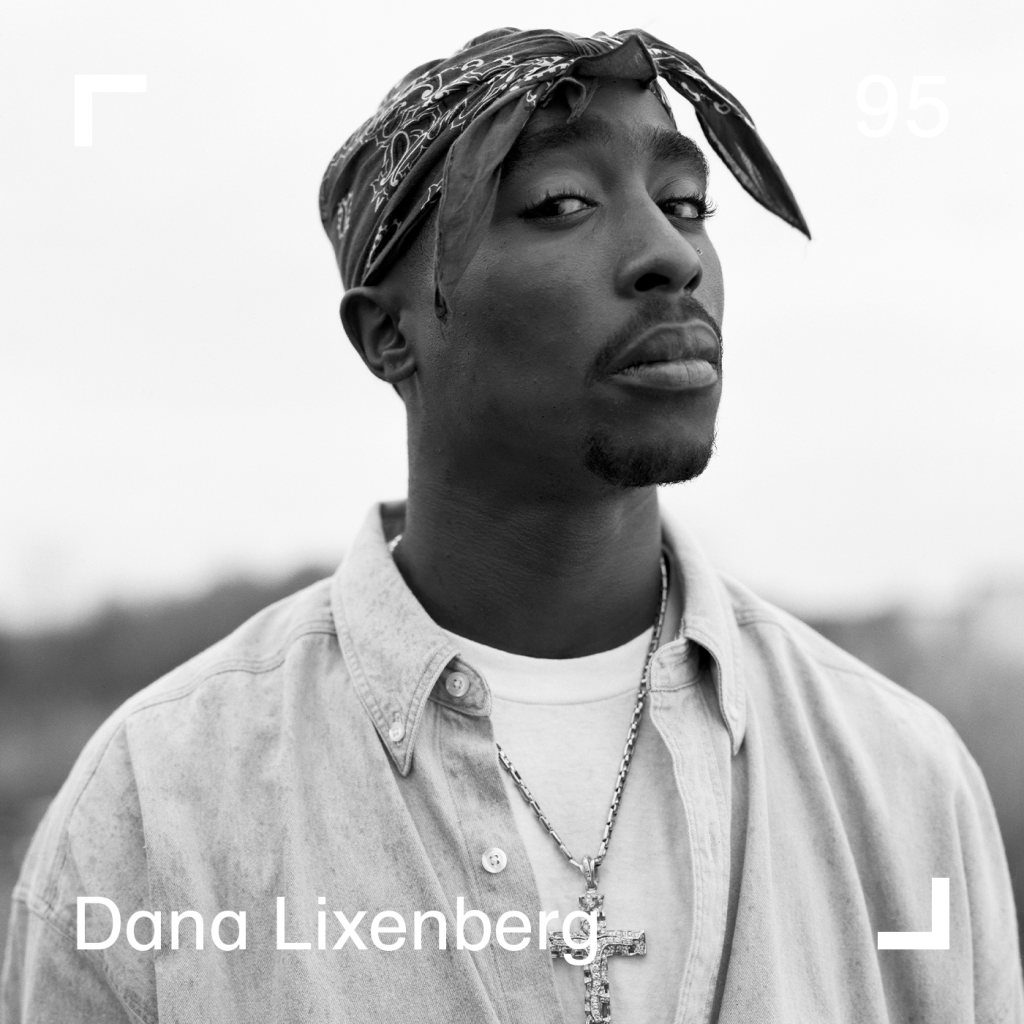
Photographer Dana Lixenberg discusses the power of portraiture and how editorial autonomy enabled her to safeguard the portrayal of individuals featured in her work within marginalized communities. Lixenberg shares the origins of Imperial Courts, her seminal project documenting life in the Los Angeles housing project of the same name, and the deep relationship of trust she built over more than two decades of work there.
Listen to this playlist and more episodes of the PhotoWork Podcast on your preferred streaming service.