Skip to content

PhotoWork Foundation

Nelson Chan

In this episode of PhotoWork with Sasha Wolf, Sasha is joined by photographer, publisher, editor, and educator Nelson Chan. Together, they trace the winding path that led Nelson to his dream job as a professor at the Rhode Island School of Design. Along the way, Nelson reflects on the “guardian angels” who helped him stay the course, the openness that allowed unexpected opportunities to shape his trajectory, and the community of friends and collaborators who eventually inspired the founding of TIS Books. Sasha and Nelson also talk about the value of building connections, putting yourself out there, and treating your career as a marathon rather than a sprint.
Tyler Mitchell

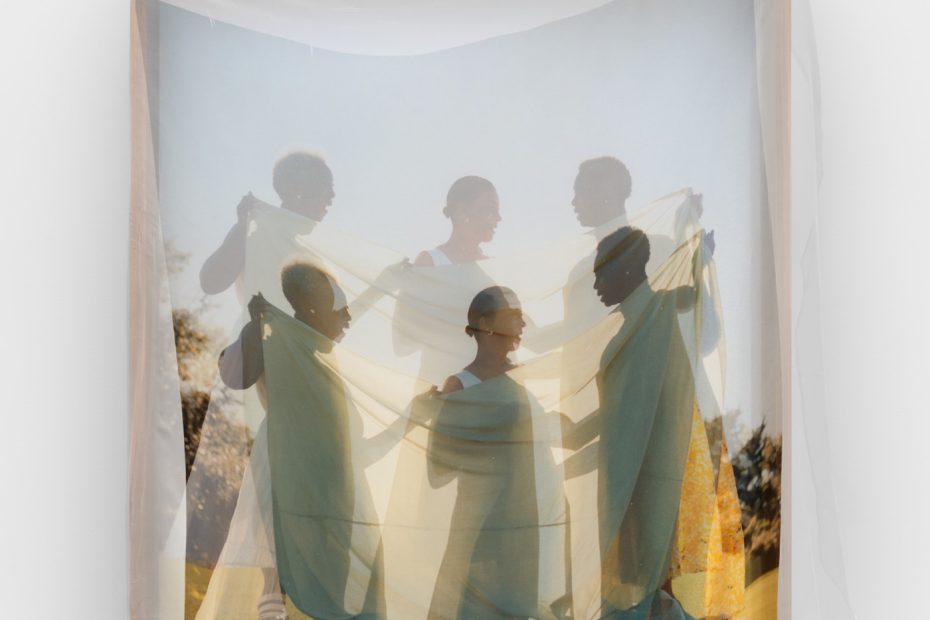
In this episode of PhotoWork with Sasha Wolf, artist, photographer, and filmmaker Tyler Mitchell joins Sasha to discuss his Aperture book, Wish This Was Real. Tyler speaks candidly about learning by doing, the value of taking risks, and the creative rewards that follow. He and Sasha also explore the central role of collaboration in his practice, particularly how that ethos shapes his approach to building tableaux.

Photographing Community

These conversations bring together photographers whose work reveals the many ways images can shape, honor, and question our sense of community. From long-term collaborations and family ties to revisiting past projects with new eyes, these episodes explore how artists build trust, navigate representation, and find meaning in the people and places that define their work.

April Watson

In this episode of PhotoWork with Sasha Wolf, April Watson, Senior Curator of Photography at The Nelson-Atkins Museum of Art in Kansas City, Missouri, joins Sasha to discuss her upcoming exhibition, American Prospects and Landscape Photography, 1839 to Today. The two dive into an insider’s conversation about how acquisitions, whether through donations or direct purchases, shape curatorial decisions. April speaks about the importance of honoring donor gifts through thoughtful exhibitions, and about working closely with museum education staff to shape exhibition language to engage audiences who may not have an art-historical background. She then turns the tables, inviting Sasha to share her perspective on the current state of the photographic art market and how it has evolved or devolved over time.

PhotoWork’s 100th Episode

In this 100th episode of PhotoWork with Sasha Wolf, Sasha and Michael celebrate with some of their favorite clips from the past 5 years. They also play some wonderful tributes from listeners and guests who submitted recordings to help celebrate this milestone for the show. Listed below are the inspiring clips from Sasha’s conversations with our amazing guests. Thank you to our listeners who wrote or sent in recordings and to all our listeners who have supported the show, and thank you to our guests who were so generous with their time and their stories.

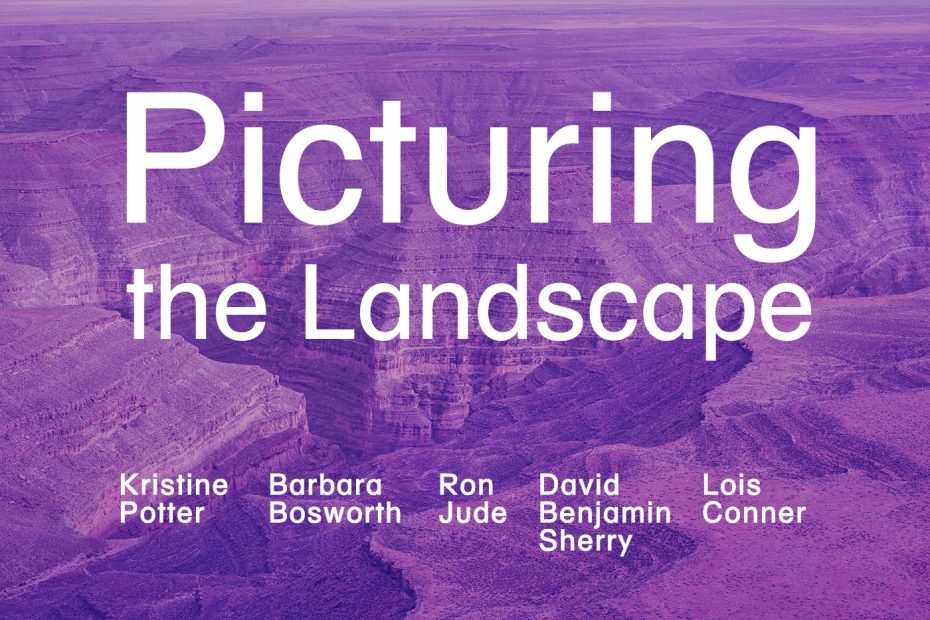
Picturing the Landscape

Photography has long served as a means of mapping our relationship to the land, and these conversations explore the many ways artists respond to the natural world around them.

Mike Brodie

In this episode of PhotoWork with Sasha Wolf, photographer Mike Brodie talks about his raw, intimate and powerful new book, Failing (Twin Palms). Growing up with a tough home life, Brodie found escape in the punk and BMX scenes before, at just 17, he began hopping freight trains and photographing the drifters and outcasts he met on the rails. Those images became A Period of Juvenile Prosperity (2013), a groundbreaking book that launched his career.

5 Episodes to Get You Started

These five episodes offer a perfect introduction to the PhotoWork Podcast, showcasing conversations that balance the personal and the professional, the poetic and the practical.

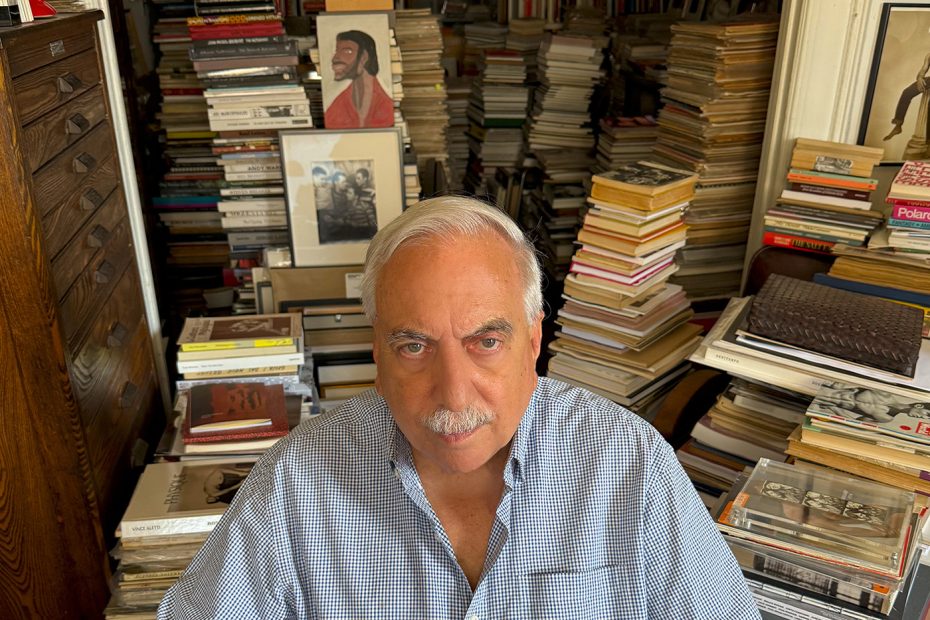
Vince Aletti

In this episode of PhotoWork with Sasha Wolf, Sasha is joined by legendary photo critic, curator, and collector Vince Aletti. Vince reflects on his early days as a music critic for Rolling Stone before joining the Village Voice as an arts editor, where he also began writing about photography. Later, as the photography critic at The New Yorker, Vince became a deeply admired voice in the field. Photographers hoped he would write about their work because his reviews were always perceptive, beautifully written, and profoundly generous of spirit.